Example 1: The strategy that died on costs
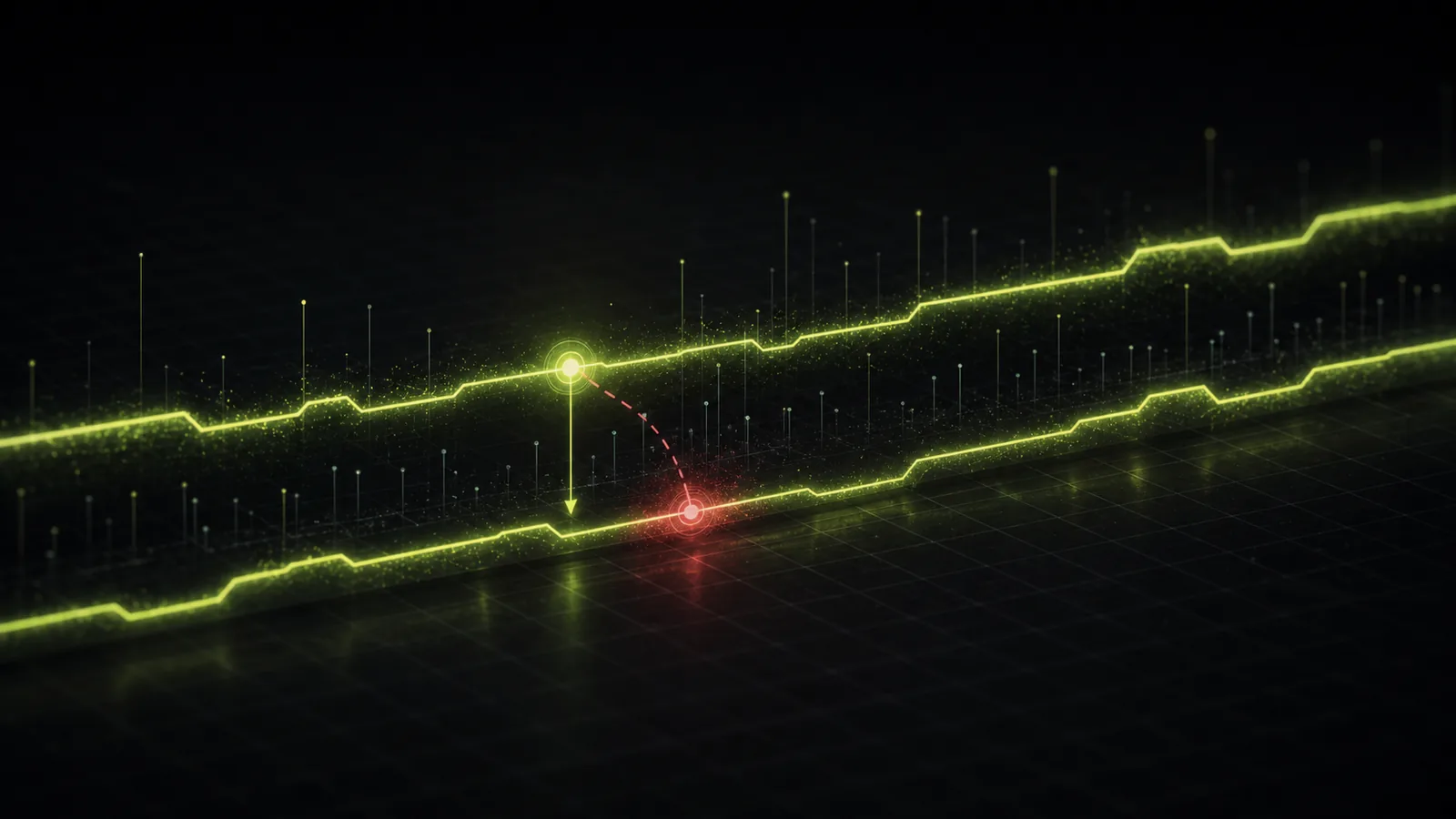
A trader backtests a short-term strategy on chart prices and it looks reliably profitable, so they trade it live on a thinly-traded instrument. In practice every entry pays a wide spread, and exits in fast moments slip several ticks, and these recurring costs, invisible in the chart-price backtest, turn the edge negative. The same strategy on a deeply liquid instrument with a tiny spread might have survived. The signal was real; the cost of transacting on the chosen instrument quietly consumed it, which is why costs must be counted before trusting a result.