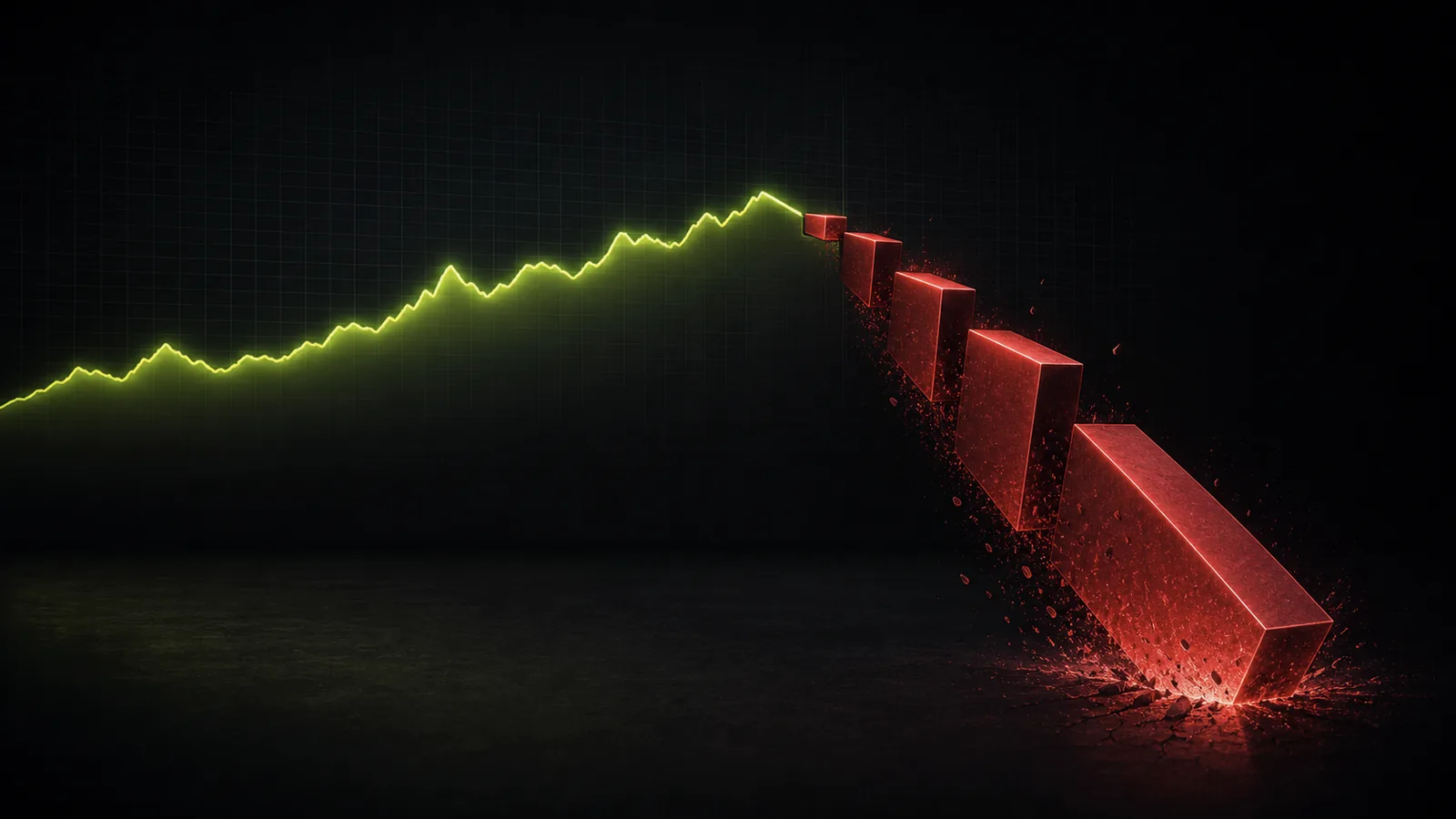
A red loss is chased by ever larger red blocks
Delta-X Academy

Revenge Trading: Chasing the Loss

Original Delta-X illustration.
free8 min read

Revenge trading is entering a trade mainly to win back a recent loss rather than because a valid setup is present. It is tilt turned into action: the goal shifts from trading well to getting even, usually with larger size and looser rules, which tends to compound the loss.

Target audience: Traders who size up and force entries right after a loss to make the money back.

Learning objectives

  • Define revenge trading and its true motive.
  • Explain why the motive works against a good trade.
  • Recognise the escalation pattern in your own record.
  • Break the chain before it compounds.

Definition

Revenge trading is entering a trade mainly to win back a recent loss rather than because a valid setup is present. It is tilt turned into action: the goal shifts from trading well to getting even, usually with larger size and looser rules, which tends to compound the loss.

Why it matters

Revenge trading is how a single ordinary loss becomes the worst day of the month. The motive, to erase the loss and the bad feeling it caused, has nothing to do with whether a good trade is available, so it systematically puts on bad trades at the worst moment. Naming it as a distinct behaviour, separate from legitimate trading, is what lets you catch and refuse it.

Trading to get even, not to trade well

The defining feature of a revenge trade is its motive. A normal trade is taken because a setup you trust has appeared; a revenge trade is taken because you want the last loss back and you want it back now. The market is indifferent to your loss, and there is no special opportunity to recover it, so a trade motivated by recovery rather than by a setup is, by construction, not aligned with any edge. It is an emotional act wearing the costume of a trade, and it usually arrives with bigger size and abandoned rules.

Why it compounds

Revenge trades tend to escalate. The first attempt to win it back often fails, because it was not a real setup, which deepens the frustration and raises the stakes for the next attempt. Size grows, rules loosen further, and a sequence builds: a normal minus one R loss, then a forced larger loss, then a bigger one still, each driven by the failure of the last. What began as a routine red trade becomes a string of escalating losses that can dwarf it. The pattern is visible in hindsight as a run of increasingly large losers clustered right after a trigger.

Breaking the chain

The cure is the same circuit-breaker that stops tilt, because revenge trading is tilt in action. The key recognition is internal: before any entry, ask whether you are taking this because the setup is here or because you want the last loss back. If it is the latter, there is no trade. Because that honesty is hard in the heat of the moment, the mechanical backstop, a daily loss limit and a rule against increasing size after a loss, does the work your judgement cannot. The single most useful habit is to never raise size to recover a loss; recovery comes from the next good setup at normal size, not from a bigger bet now.

Visual models

R-multiple sequence: normal losses stay survivable until risk is oversized
R-multiple loss sequenceThe cumulative R curve falls gradually during planned losses, then drops sharply when two pressure trades exceed the one R rule before the reset stabilizes it.+3.0R0.0R-1.0R-3.0R-6.0R+0.8R-1.0R+1.4R-0.9R-1.0R-1.0R-1.8R-2.6R+0.2R+0.9R+1.3R-1R planned risk cappressure trades2 breaks = -4.4Rcumulative Rtrade outcome

Worked examples

Example 1: The escalating sequence

A trader takes a clean minus one R loss. Annoyed, they re-enter at double size with no setup and lose, a minus two R. Now angrier, they go larger again and lose a minus four R, then a minus three R. The original loss was one R; the revenge sequence added nine R on top, ten times the first loss, none of it from a real trade. A trader who had simply taken the first loss and waited for the next valid setup at normal size would have been down one R and calm, instead of down ten R and shaken.

R-multiple sequence: normal losses stay survivable until risk is oversized
R-multiple loss sequenceThe cumulative R curve falls gradually during planned losses, then drops sharply when two pressure trades exceed the one R rule before the reset stabilizes it.+3.0R0.0R-1.0R-3.0R-6.0R+0.8R-1.0R+1.4R-0.9R-1.0R-1.0R-1.8R-2.6R+0.2R+0.9R+1.3R-1R planned risk cappressure trades2 breaks = -4.4Rcumulative Rtrade outcome

Common mistakes

Entering to recover a loss rather than because a setup is present.

Raising size after a loss to win it back faster.

Treating the market as if it owes you the loss back.

Loosening your rules in the moments after a red trade.

Not recognising the escalating sequence until the damage is done.

Myth vs reality

Myth

That the market offers a chance to recover a specific loss.

Reality

No paired reality note provided.

Myth

That a bigger bet now is the way to get back to even.

Reality

No paired reality note provided.

Myth

That a revenge trade is just a normal trade taken with conviction.

Reality

No paired reality note provided.

Risk considerations

  • Recovery-motivated trades cluster the largest losses right after a trigger.
  • Increasing size after a loss multiplies the damage of an already bad trade.

Practice exercises

1. Audit your post-loss trades

Find whether your worst clusters of losses follow a triggering loss.

  1. In your record, find the trades taken right after a loss.
  2. Mark which were valid setups and which were recovery attempts.
  3. Look for escalating size in the trades after a loss.
  4. Write the rule: no size increase after a loss, no entry without a setup.

Quiz

Q1. What defines a revenge trade?

Q2. Why does revenge trading compound?

Q3. What is the single most useful habit against it?

Next lesson

FOMO and Chasing the Move

Continue to next

This lesson is educational content only and is not financial, psychological, or medical advice. It describes patterns common among traders, which vary from person to person; if difficult emotions around trading or money are affecting your wellbeing, seek qualified support. Managing your psychology improves your decisions but does not remove the substantial risk of trading. Trade only with risk you can afford to lose.