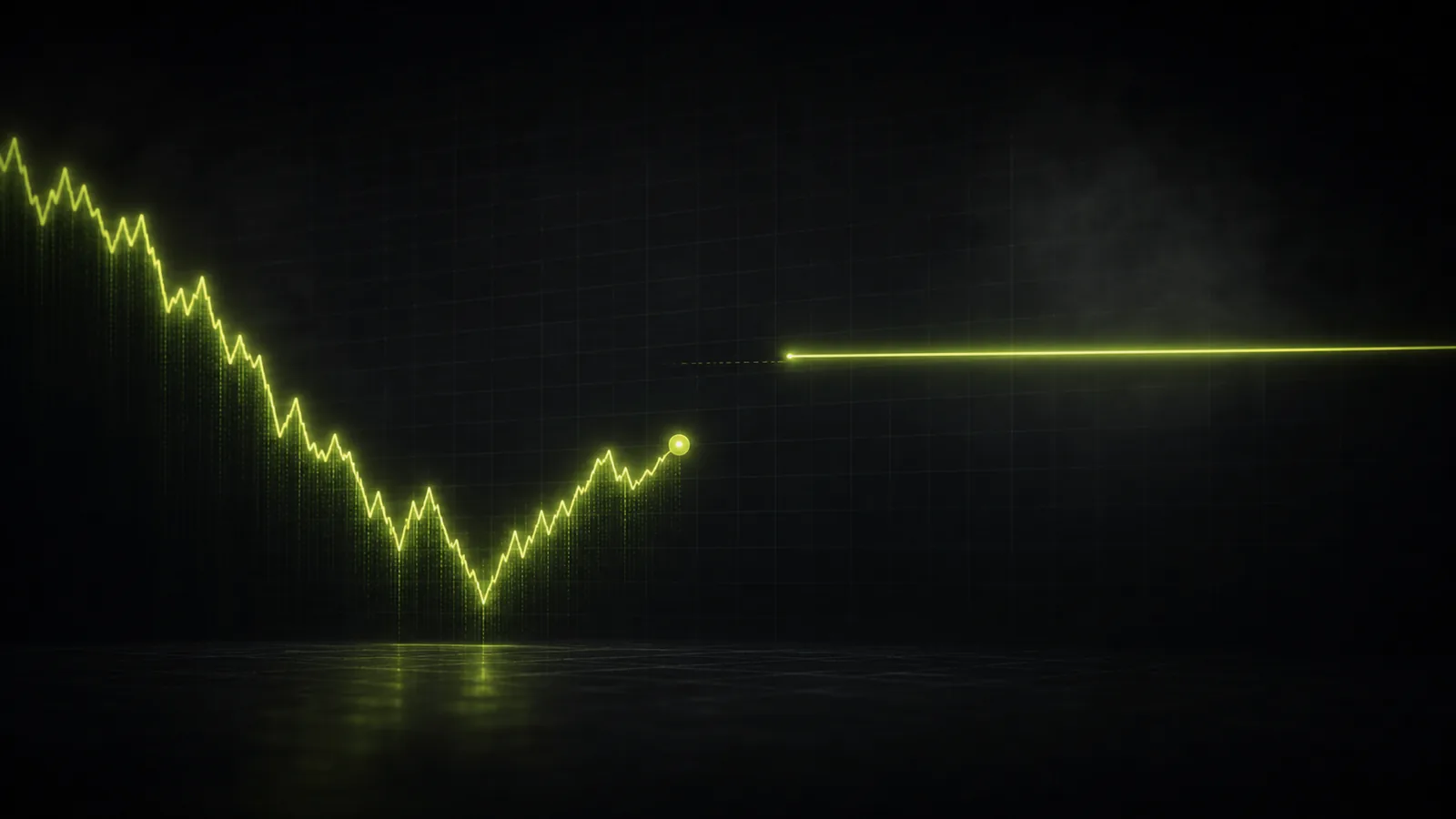
A hesitant marker freezes short of a clean lime setup
Delta-X Academy

Fear and Hesitation After a Loss

Original Delta-X illustration.
free8 min read

Fear in trading is the hesitation, freezing, or flinching that follows a painful loss or drawdown. Where tilt makes you trade too much, fear makes you trade too little: skipping valid setups, cutting winners early, or being unable to pull the trigger, which quietly costs as much as recklessness does.

Target audience: Traders who, after a loss or drawdown, hesitate, skip valid setups, or cut winners too early.

Learning objectives

  • Distinguish fear-driven hesitation from genuine caution.
  • Describe how fear costs as much as recklessness.
  • Recognise the behaviours fear produces.
  • Keep executing your process through the discomfort.

Definition

Fear in trading is the hesitation, freezing, or flinching that follows a painful loss or drawdown. Where tilt makes you trade too much, fear makes you trade too little: skipping valid setups, cutting winners early, or being unable to pull the trigger, which quietly costs as much as recklessness does.

Why it matters

Fear is the less-discussed twin of tilt, and just as damaging. A trader frozen by recent losses misses the very trades that would recover them, cuts winners before they pay, and slowly loses confidence in a process that is actually working. Recognising fear as a distortion, not a prudent caution, is what lets you keep executing through the discomfort that follows a loss.

Trading too little

Fear is the opposite failure mode to tilt. After a painful loss or a string of them, the nervous system flinches from the thing that hurt, so the trader hesitates on valid setups, takes smaller size than the plan calls for, cuts winners the moment they show a profit, or freezes and misses the entry entirely. None of this feels like a mistake; it feels like being careful. But skipping the good trades and clipping the winners short is a real cost, paid quietly in the trades not taken and the gains not held, rather than loudly in a blow-up.

Loss aversion distorts the choice

Part of why fear bites so hard is loss aversion: the well-known behavioural tendency for a loss to feel disproportionately more painful than an equivalent gain feels good, often described as feeling roughly twice as heavy. That asymmetry means a recent loss can loom much larger in your mind than its size warrants, and the urge to avoid feeling it again can dominate the decision to take an objectively good trade. Understanding that the pain is amplified by a common bias, rather than reflecting the true risk in front of you, helps you discount the feeling and act on the setup instead.

Execute through the discomfort

The answer to fear is not to wait until you feel confident, because confidence tends to follow action, not precede it. If a setup meets your rules, the job is to take it at the correct size despite the discomfort, trusting the process over the feeling. Shrinking size temporarily to make execution possible can be a reasonable bridge, as long as the trades are still taken; what cannot continue is skipping valid setups entirely. The skill is to feel the fear, recognise it as a distorted signal, and execute the plan anyway, which is how the confidence to do so is rebuilt.

Worked examples

Example 1: The skipped recovery trade

After three losses, a trader sees their best setup of the week appear. Still stung, they hesitate, talk themselves out of it as too risky right now, and watch it run to target without them. The next valid setup, they cut for a tiny profit out of fear of giving it back, and it too goes on to its full target. Nothing blew up, but the fear cost them the two trades that would have recovered the drawdown. A trader who executed both at normal size, despite the discomfort, would have been back to even.

Common mistakes

Skipping valid setups because a recent loss still stings.

Cutting winners early out of fear of giving the gain back.

Mistaking fear-driven hesitation for prudent caution.

Waiting to feel confident before executing.

Letting an amplified, loss-averse feeling outweigh an objective setup.

Myth vs reality

Myth

That hesitation after a loss is always sensible caution.

Reality

No paired reality note provided.

Myth

That confidence must come before action.

Reality

No paired reality note provided.

Myth

That trading too little is safe because nothing blows up.

Reality

No paired reality note provided.

Risk considerations

  • Fear costs are real but hidden: missed trades and clipped winners.
  • Loss aversion makes a recent loss loom larger than its true size.

Practice exercises

1. Execute one feared setup

Practise taking a valid setup at correct size despite post-loss discomfort.

  1. Notice when you are hesitating on a setup that meets your rules.
  2. Name the feeling as fear and recall that loss aversion amplifies it.
  3. Take the trade at your normal size, or a reduced size as a bridge, but take it.
  4. Afterward, note that executing, not waiting to feel ready, rebuilt confidence.

Quiz

Q1. How does fear cost a trader, in contrast to tilt?

Q2. How does loss aversion intensify fear after a loss?

Q3. What rebuilds the confidence to execute through fear?

Next lesson

Trusting Your Process Through a Drawdown

Continue to next

This lesson is educational content only and is not financial, psychological, or medical advice. It describes patterns common among traders, which vary from person to person; if difficult emotions around trading or money are affecting your wellbeing, seek qualified support. Managing your psychology improves your decisions but does not remove the substantial risk of trading. Trade only with risk you can afford to lose.