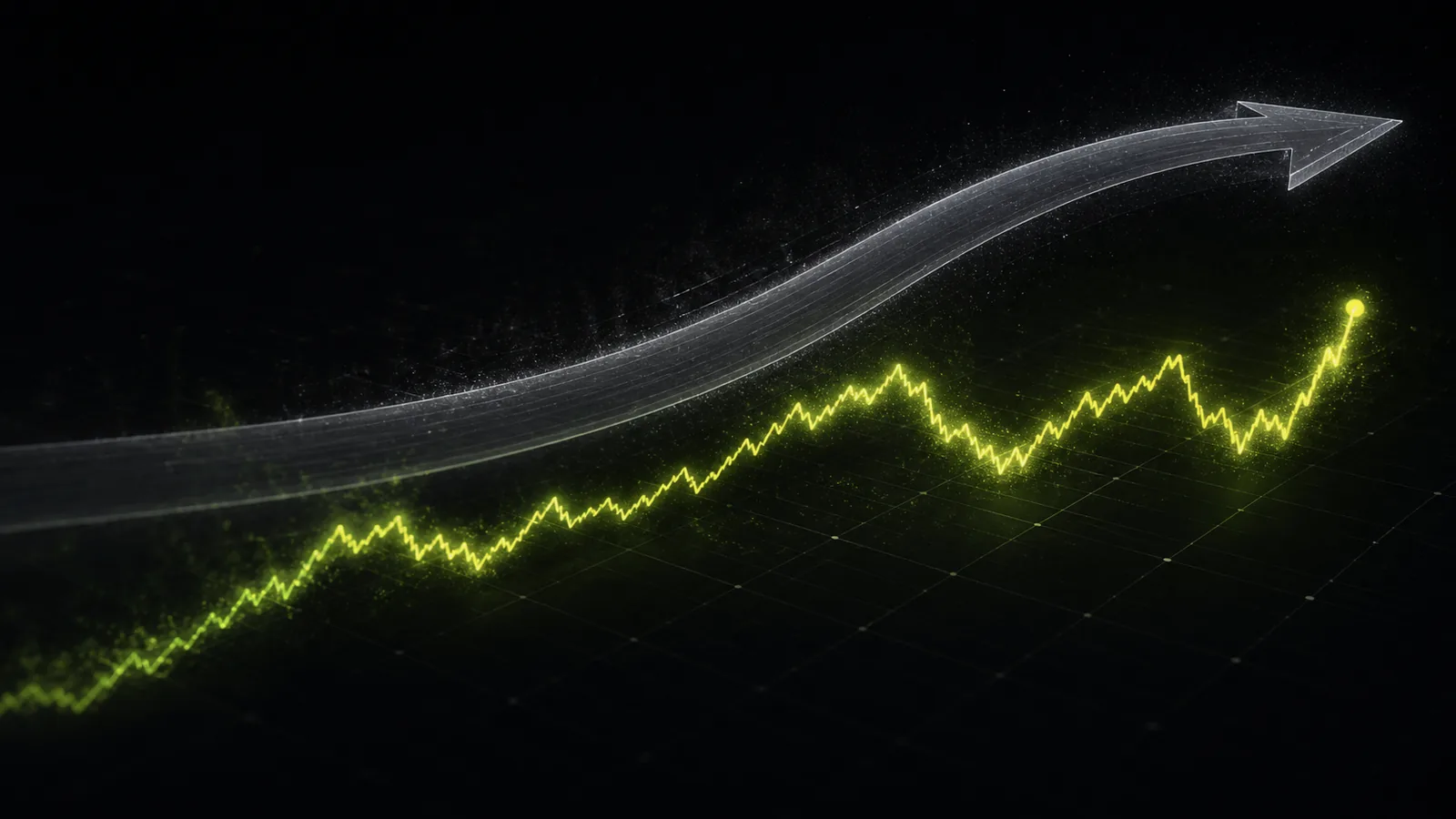
A macro narrative arrow points one way while price drifts independently
Delta-X Academy

The Limits of Macro for a Trader

Original Delta-X illustration.
reader9 min read

The limits of macro are the honest boundaries of how useful macro analysis is for an active trader: macro narratives are often wrong, frequently unfalsifiable, and can be ignored by price for long stretches, so macro is best used to set context, bias, and risk windows rather than to time entries. A correct macro view and a poor trade are entirely compatible.

Target audience: Traders who form strong macro opinions and trade them directly with conviction.

Learning objectives

  • Explain why macro narratives breed overconfidence.
  • See why price can ignore the obvious macro for a long time.
  • Use macro for context and bias, leaving entries to price.
  • Accept that a correct view can still be a losing trade.

Definition

The limits of macro are the honest boundaries of how useful macro analysis is for an active trader: macro narratives are often wrong, frequently unfalsifiable, and can be ignored by price for long stretches, so macro is best used to set context, bias, and risk windows rather than to time entries. A correct macro view and a poor trade are entirely compatible.

Why it matters

Many traders are drawn to macro because it tells a satisfying story, and then lose money trading those stories directly, holding losers because the narrative must be right. Understanding macro's limits keeps it in its proper role: a backdrop that shapes which way you lean and when to be careful, combined with price and risk management, rather than a source of high-conviction predictions to trade blindly.

Narratives are seductive and often wrong

Macro offers compelling, causal-sounding stories, and that is exactly the danger: a clean narrative breeds overconfidence, and price can disagree with a perfectly reasonable macro view for far longer than a position can survive. Macro forecasts are frequently wrong, and even when the eventual outcome matches the view, the path and the timing rarely cooperate. A story that feels obviously right is not a tradable edge, and treating it as one is how a macro opinion quietly becomes a stubborn losing trade that is held and added to on conviction.

Price can ignore the obvious

Price routinely shrugs off macro developments that should matter, because positioning, liquidity, other priorities, or simple disagreement intervene, and it can stay disconnected from the macro picture for a long time. Being right about the macro but early, or right about the macro while price does the opposite, is a common and painful experience. Price is not obligated to honour your analysis on your schedule, and acting as though it must is a direct path to fighting the chart with conviction and financing a view that may only pay off, if at all, long after you are gone.

Macro as context, price as trigger

The constructive use of macro is to set the backdrop: which way you are inclined to lean, which assets are sensitive now, and when the high-risk windows fall on the calendar. The entry, the exit, and the invalidation still come from price and your risk rules, not from the macro view. Used this way, macro improves your context and your timing of caution without ever being trusted to predict: you trade the chart with a macro-informed bias, and you let price, not the narrative, decide when you are wrong. The discipline is to hold the macro view lightly enough that price can always overrule it.

Worked examples

Example 1: Right on macro, wrong on the trade

A trader develops a well-reasoned view that a currency should weaken, and shorts it with conviction, adding as it rises against them because the story has to play out. Months later the currency does weaken, vindicating the macro call, but the trader was stopped out, or worse, long before, having fought price the whole way up on the strength of the narrative. The macro view was eventually correct; trading it directly, without letting price and risk rules govern the position, still produced a loss. The story was right and the trade was wrong, which is the central lesson of macro's limits.

Common mistakes

Trading macro narratives directly as high-conviction predictions.

Holding or adding to losers because the story must be right.

Expecting price to honour the macro on your schedule.

Using macro to time entries instead of to set context.

Holding the macro view so tightly that price cannot overrule it.

Myth vs reality

Myth

That a correct macro view reliably produces a winning trade.

Reality

No paired reality note provided.

Myth

That the market must eventually respect the obvious macro picture in your timeframe.

Reality

No paired reality note provided.

Myth

That a compelling narrative is a tradable edge.

Reality

No paired reality note provided.

Risk considerations

  • Macro views can be right in the end yet ruinous as trades along the way.
  • Price can ignore macro far longer than a position can survive.

Practice exercises

1. Macro as backdrop

Take one macro view and define how it sets your bias and risk windows, leaving entries to price.

  1. Write one macro view and the bias it gives you, lean long or lean short.
  2. List the assets it makes sensitive and the calendar risk windows it implies.
  3. State explicitly that entries, exits, and invalidation come from price, not the view.
  4. Decide what price action would make you set the macro view aside entirely.

Quiz

Q1. Why are macro narratives dangerous to trade directly?

Q2. Why can being right about macro still lose money?

Q3. What is the proper role of macro for a trader?

Path complete

You have reached the end of this path

Nice work finishing the path. Revisit any lesson to reinforce it, or explore another path in the academy.

Back to the academy

This lesson is educational content only and is not financial advice. Macroeconomic analysis is interpretive and frequently wrong; the relationships it describes are tendencies that vary by regime and break down, not laws, and a correct macro view does not produce a profitable trade. Nothing here is a forecast or a recommendation to buy or sell. Markets carry substantial risk. Trade only with risk you can afford to lose, and let price and your own risk rules, not a macro narrative, govern any position.